

Key Takeaways
- Post-conflict pollution persists for years to decades, with heavy metals, dioxins, depleted uranium, asbestos, and petrochemical residues contaminating soils, water, and air for generations.
- Indirect health impacts from destroyed infrastructure—water, sanitation, electricity, and health facilities—regularly exceed direct battlefield injuries and drive diarrheal disease, maternal/infant mortality, and chronic illness burdens.
- Explosive remnants and unexploded ordnance render fields and villages unsafe for decades while continuously leaching explosives and metals into soil and groundwater, blocking agricultural recovery and return.
- Monitoring gaps and weak governance are systemic: few binding post-conflict assessment requirements exist, long-duration environmental archives lack stewardship, and cleanup responsibilities are often undefined.
Armed conflicts do not end when the guns fall silent. Toxic air, polluted water, and contaminated soils can persist for years or decades, undermining health and recovery long after peace agreements are signed.[1][4]
These slow-moving crises determine who can return home, what is safe to eat or drink, and whether livelihoods can be rebuilt.[1][5]
💡 Key takeaway: Environmental protection is not optional “aftercare” to war; it is a precondition for durable peace and human security.[2][5]
Understanding Post-Conflict Environmental Contamination
Post-conflict environmental contamination is the long-term pollution of air, water, soil, and ecosystems caused by military operations, damaged infrastructure, and toxic remnants of war.[1][4] These effects shift from “war damage” to an everyday reality for affected communities.[4][5]
Major pathways include:
- Explosions, fuel spills, and toxic munitions contaminating farmland, rivers, and cities[1][4]
- Polluted water and smoke from burning fuels driving respiratory and cardiovascular disease[4]
- Degraded soils, damaged fisheries, and ruined grazing land worsening malnutrition and food insecurity[4][5]
📊 Health reality: Indirect health impacts from destroyed infrastructure—water, sanitation, electricity, and health facilities—often exceed injuries directly caused by weapons.[5] Diarrheal disease, maternal complications, and worsening chronic illnesses can dominate the health burden of war.[5]
⚠️ Key point: When ecosystems that provide food, water, and shelter are degraded, basic rights, recovery prospects, and sustainable peace are all constrained.[2][5] Protecting civilians requires protecting the environment they depend on.[2]
Key Pathways of Long-Term Pollution After Warfare
Toxic remnants in soils and cities
Weapons and rubble leave persistent toxic legacies:[4]
- Heavy metals, depleted uranium, white phosphorus, and dioxins in soil, plants, and groundwater
- Asbestos, fuels, and industrial chemicals released from destroyed buildings
- Chronic exposure risks for returning residents and reconstruction workers
💡 Key takeaway: Each demolished building is not just rubble; it is a complex mix of hazardous materials that can keep releasing pollutants for years.[4]
Damage to industrial and energy infrastructure
Strikes on refineries, petrochemical plants, and oil depots ignite fires that produce:[3][4]
- Petrochemical smoke and soot
- Oil residues and toxic combustion products
- Pollutants that travel far on the wind, settle with rain, and accumulate in soils, rivers, and marine sediments over time[3]
The pattern resembles cross-border fallout from industrial disasters: pollution ignores borders, exposing people far from frontlines.[3]
📊 Industrial warfare: Attacks on oil infrastructure in Eastern Europe have shown how smoke plumes and spills can turn regional seas into long-term reservoirs of contamination.[3]
Water, sanitation, and waste crises
Explosive weapons often destroy or disable:[4]
- Water treatment plants and pumping stations
- Distribution networks and storage tanks
- Sewage and solid waste systems
- Disease outbreaks from contaminated water
- Higher maternal and infant mortality
- Worsening chronic disease as health systems struggle
- Households forced to rely on trucked or unsafe water, raising costs and risks[5]
⚠️ Key point: The collapse of water and waste systems transforms localized damage into a widespread environmental health emergency.[4][5]
Contaminated landscapes and explosive remnants
Landmines and unexploded ordnance create long-lived barriers and pollution:[1][4]
- Fields, pastures, and villages remain unsafe for decades
- Explosives and metals slowly leach into soils and water[4]
- Bomb craters and altered drainage reduce fertility and increase erosion, undermining agriculture[4]
- Communities lose access to land and remain dependent on aid for years[1][4]
💡 Key takeaway: Explosive remnants are both a direct safety hazard and a chronic source of environmental degradation.[1][4]
Monitoring, Governance Gaps, and Pathways to Recovery
Detecting long-term war contamination demands:[6]
- Decades of systematic sampling of water, soils, vegetation, and air
- Stable research stations and archives that preserve physical samples and data over time
When monitoring programs close or are restructured without clear stewardship, irreplaceable time series needed to track slow war impacts can be lost.[6]
📊 Data reality: Many physical archives and long-duration sampling programs lack formal requirements for stewardship continuity, leaving their records vulnerable.[6]
A major governance gap intensifies these problems:[2][6]
- Few binding rules require post-conflict environmental assessment
- Responsibilities for cleanup and toxic-site management are often unclear
- Communities end up living on contaminated land without remediation plans[2]
Health and environmental professionals can:[2][5]
- Document exposure pathways and disease patterns linked to war pollution[5]
- Conduct long-term studies on cancer, respiratory, and reproductive outcomes[5]
- Turn evidence into advocacy for stronger humanitarian and environmental protections[2][5]
Policy and remediation priorities should include:[2][4][5][6]
- Embedding environmental clauses and monitoring duties into peace agreements[2]
- Funding decontamination of industrial sites, military bases, and burn pits[4]
- Rapidly restoring water and sanitation systems as core health interventions[4][5]
- Supporting community-based monitoring to promote transparency and accountability[2][6]
💡 Key takeaway: Clinicians and environmental scientists are essential witnesses, connecting contamination data to human consequences.[5]
Conclusion: Making a Healthy Environment Central to Peace
Post-conflict pollution is a slow-moving crisis that shapes health, livelihoods, and ecosystems for generations.[1][5] Warfare contaminates air, water, and soil far beyond battlefields, and real protection of civilians must address these legacies.[2][5]
Environmental contamination should be central to peace and reconstruction agendas: demand long-term monitoring, transparent cleanup commitments, and legal protections that treat a healthy environment as a fundamental condition for human security.[2][6]
Sources & References (6)
- 1Armed conflicts affect not only people and their livelihoods, but also the environment
Armed conflicts affect not only people and their livelihoods, but also the environment. From toxic air and polluted water to contaminated farmland and landmines, the damage can take years or even dec...
- 2How does war damage the environment?
How does war damage the environment? May 5, 2025 New to conflict and the environment? We’ve summarised the main ways that wars and militarism harm the environment. We’re often asked how armed confl...
- 3Industrial Warfare and the Environmental Fallout of Modern Conflict
Industrial warfare is reshaping how environmental disasters emerge during modern conflict, especially when critical infrastructure becomes a military target. Nearly four decades after Chernobyl, Europ...
- 4Environmental
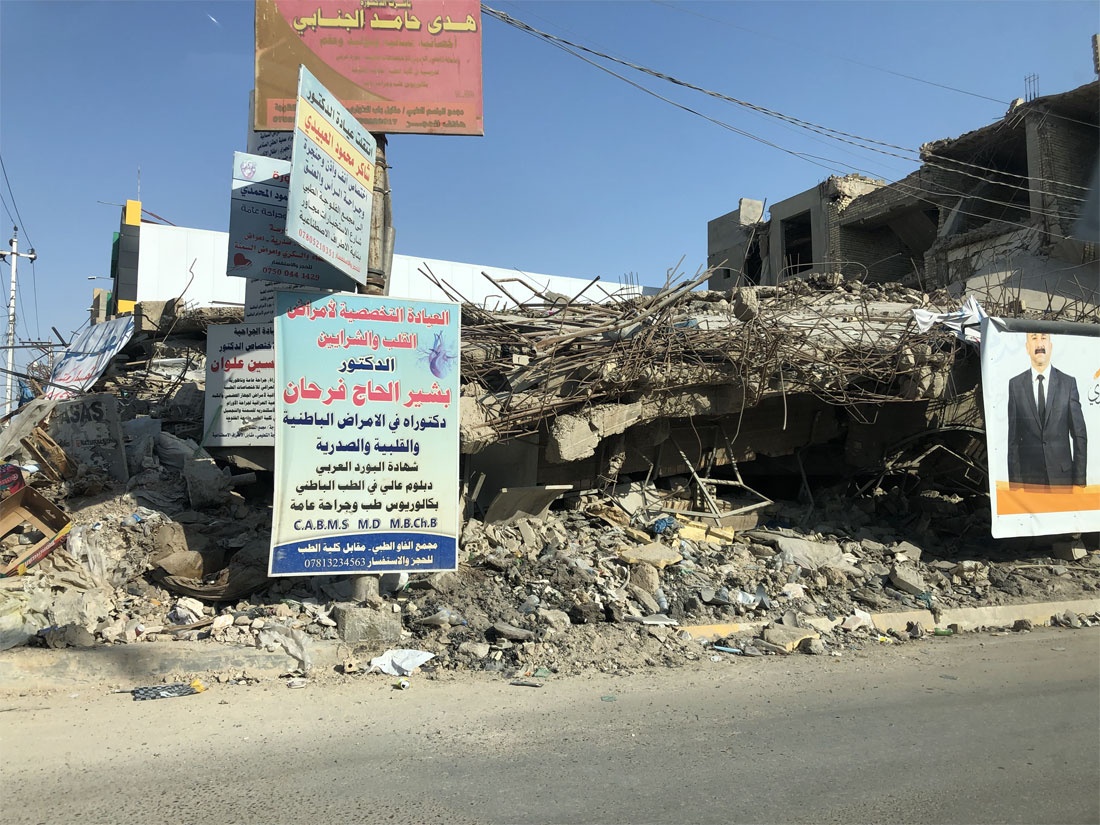 Photo credit: Kali Rubaii, (2021), Falluj...
- 5The impacts of war on health, human rights, and the environment—an overview
War adversely affects health, violates human rights, and contaminates the environment. Direct health impacts of war result mainly from explosive weapons. Indirect health impacts of war, which often oc...
- 6The Governance Gap Threatening Long-Term Ecological Archives - Eos
On 31 March 2026, the U.S. Department of Agriculture announced the closure of 57 of its 77 U.S. Forest Service research facilities. The scientific community’s response was warranted: Save the science,...
Frequently Asked Questions
What are the primary types of long-term contaminants left by warfare?
How long do environmental and health impacts from conflict typically last, and how should they be monitored?
What policy and remediation priorities should governments and aid actors adopt after conflict?
Key Entities
Generated by CoreProse in 1m 33s
What topic do you want to cover?
Get the same quality with verified sources on any subject.


